
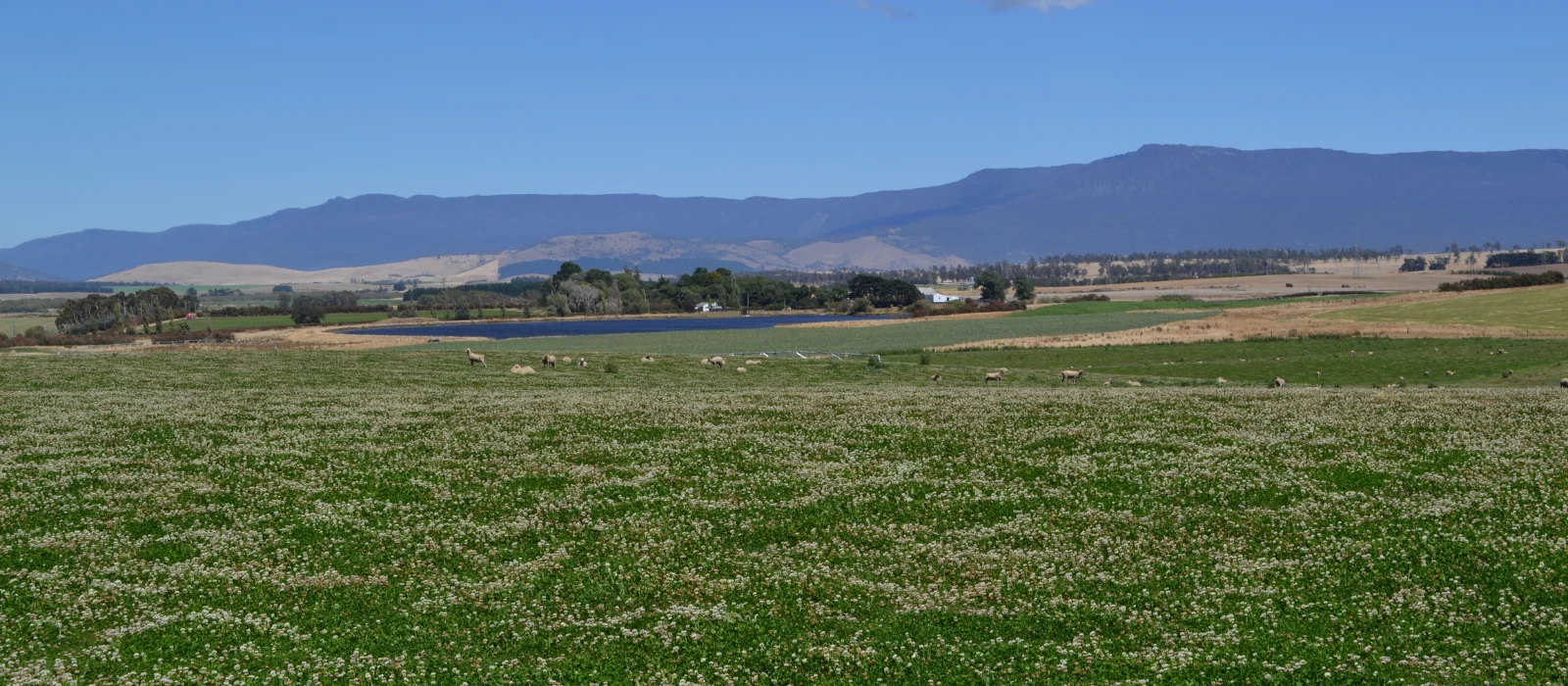
A true Tasmanian multi-purpose farming facility
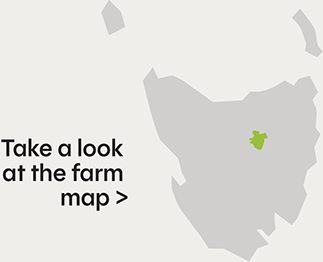
Where you can find us
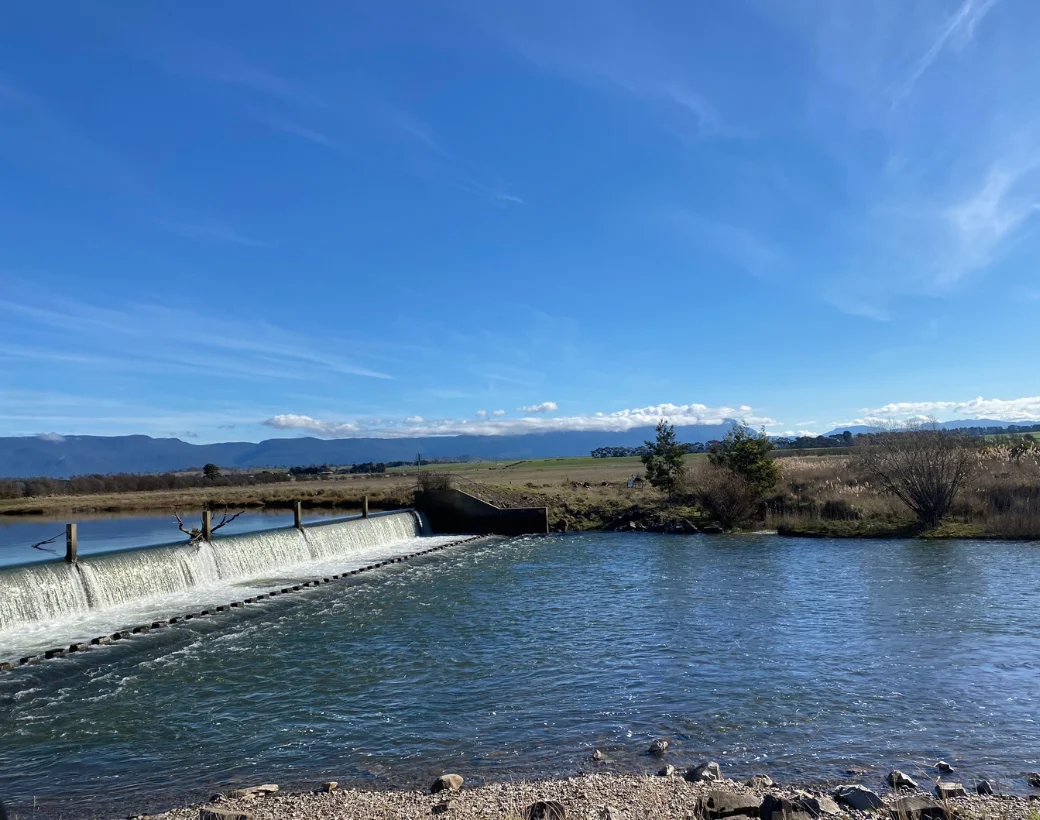
Woodbourn is a 500ha property situated at Cressy Tasmania, in the picturesque region of the Northern Midlands with views of the Western Tiers and Ben Lomond. We are a mere 20 minutes from Launceston Airport, historic town of Evandale, Longford and 2 hours from Hobart. Our property has a boundary with Brumby’s Creek, a renowned trout stream, and source of secure irrigation water.
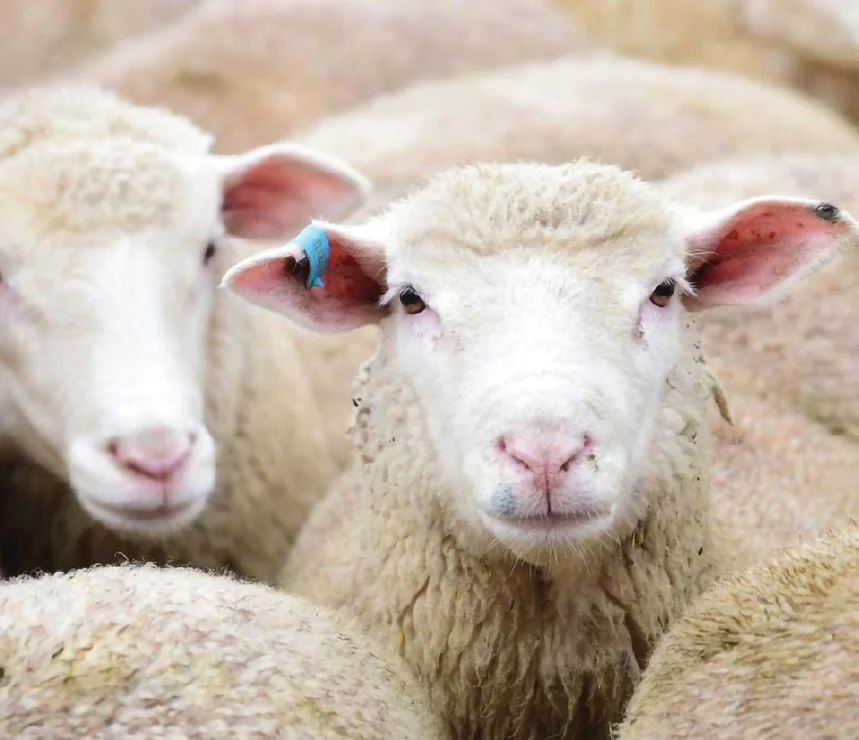
Lamb Production
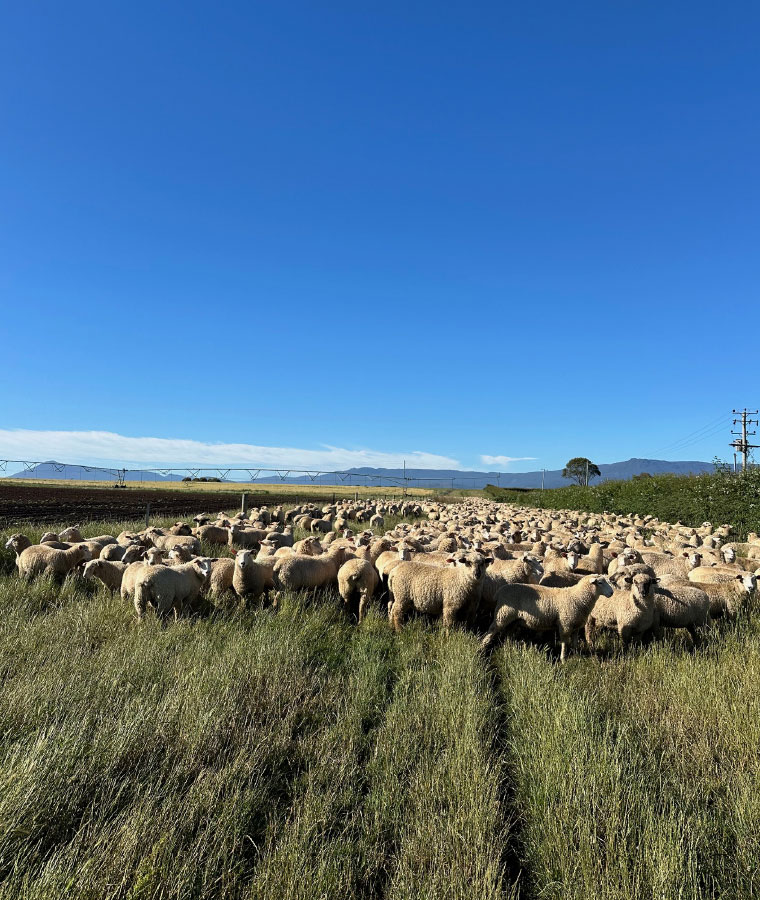
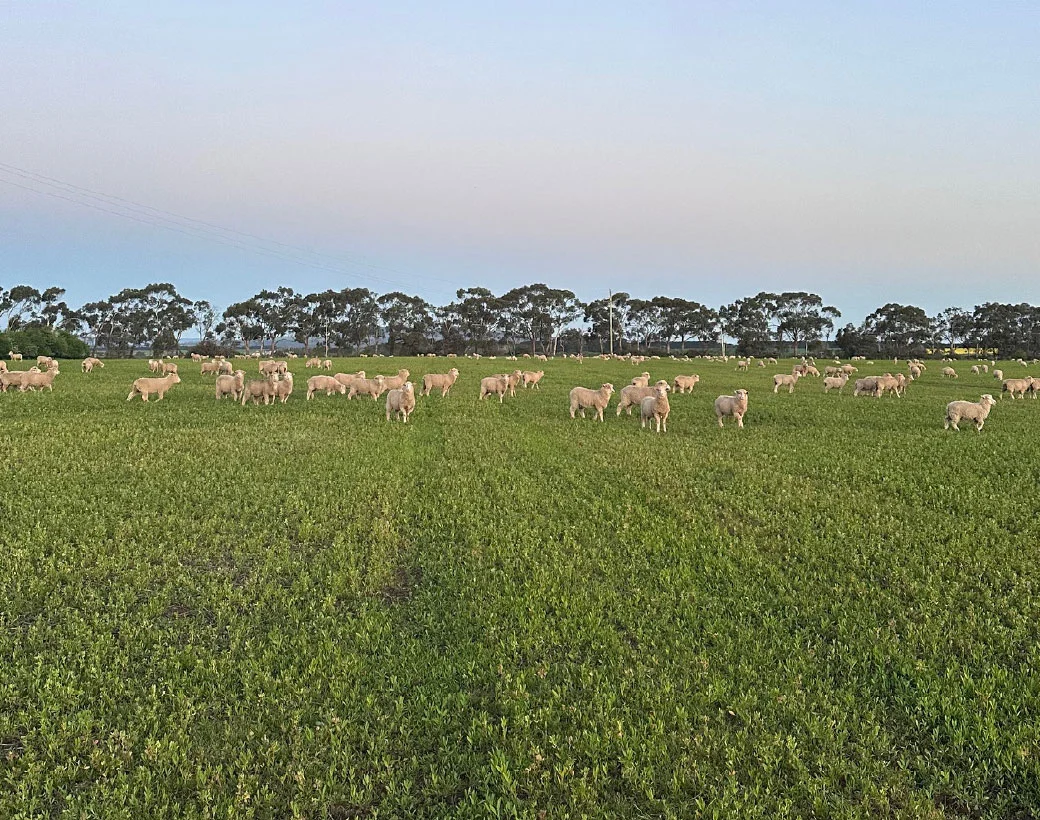
The Lamb trading enterprise consists of sourcing from high-quality breeders within Tasmania and only grazed on a clover pasture mix and free to roam.
We sell our finished product to processor’s both in Tasmania and the mainland. Our product can be seen on supermarket shelves, in restaurants and on kitchen tables all over Australia.

Produce Production
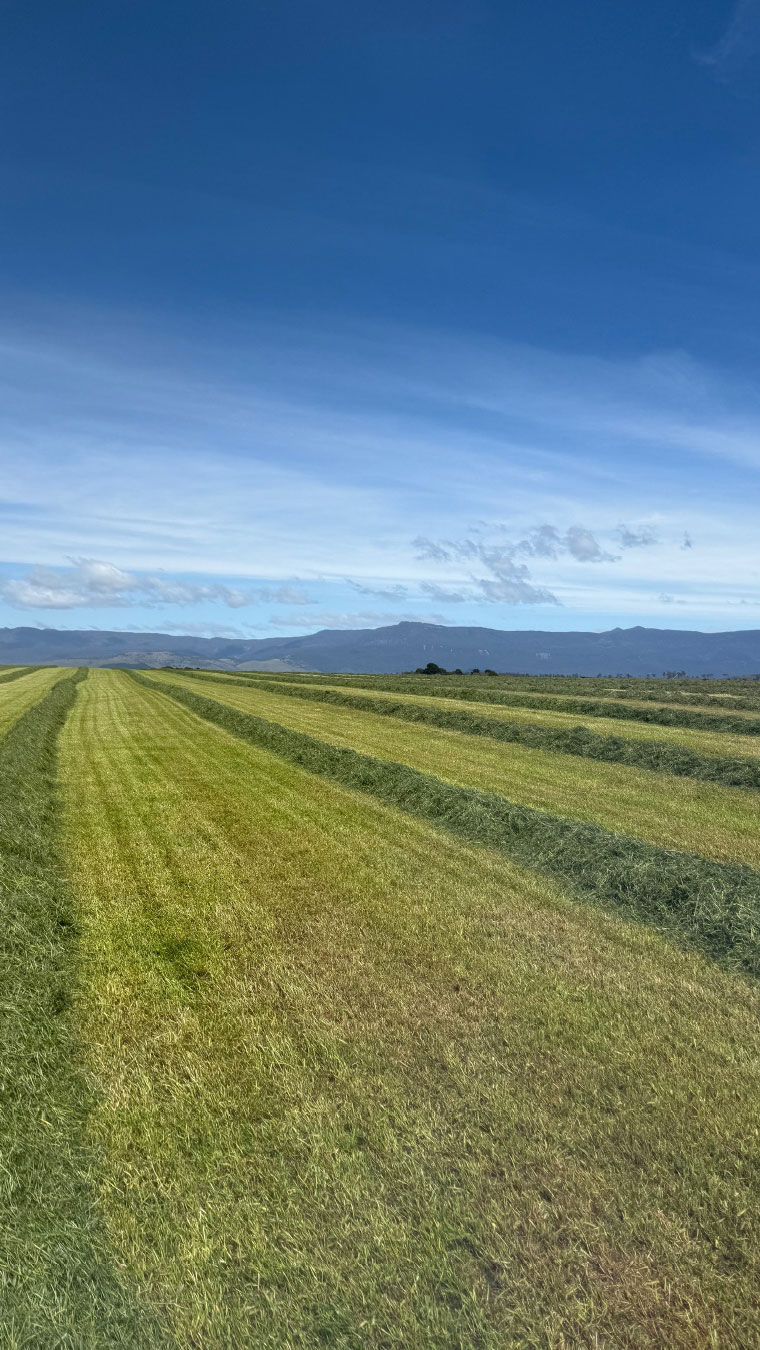
Woodbourn is a rotational horticultural production business. Woodbourn has diversification with summer and winter cropping of cereals, grass seeds, beans, peas, vegetables, poppies and other.
- Fresh Peas
- Fresh Beans
- Beetroot Seed
- Wheat
- Canola
- Oats
- Chicory
- Carrot Seed
- Potatoes
- Maise
- Grass seed
- Poppies
- Lucerne
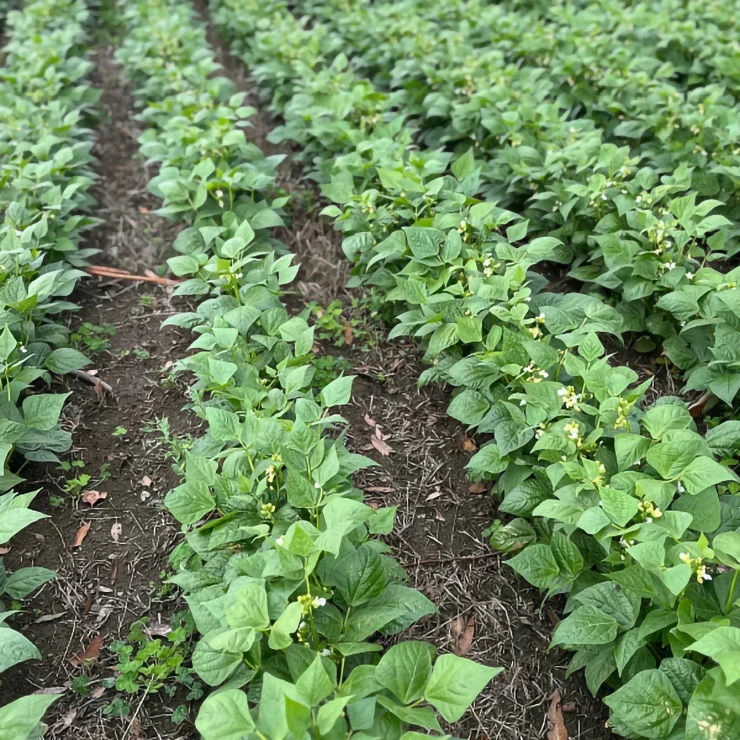
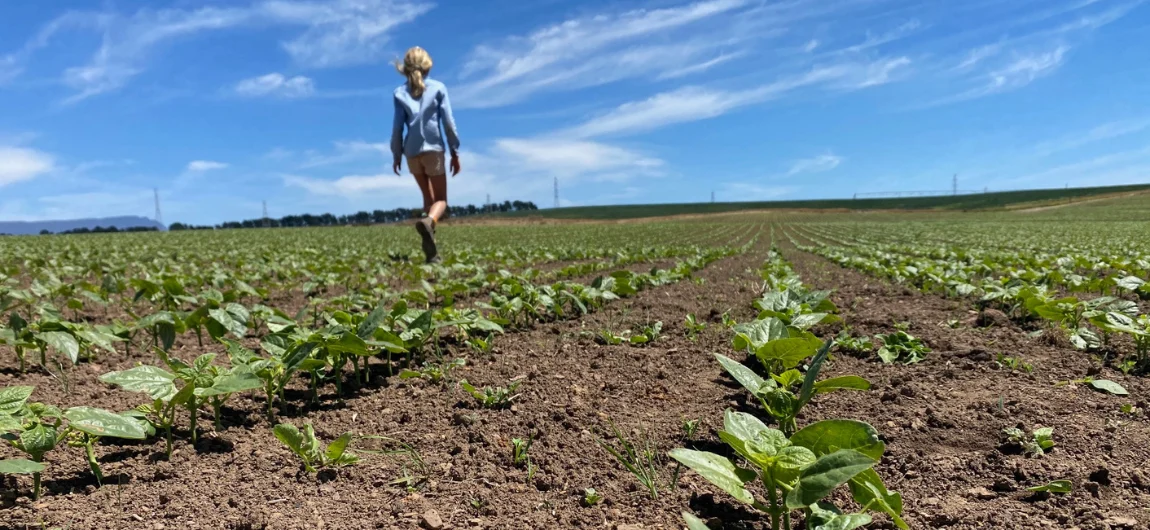
Beans are a major crop planted in —- every year
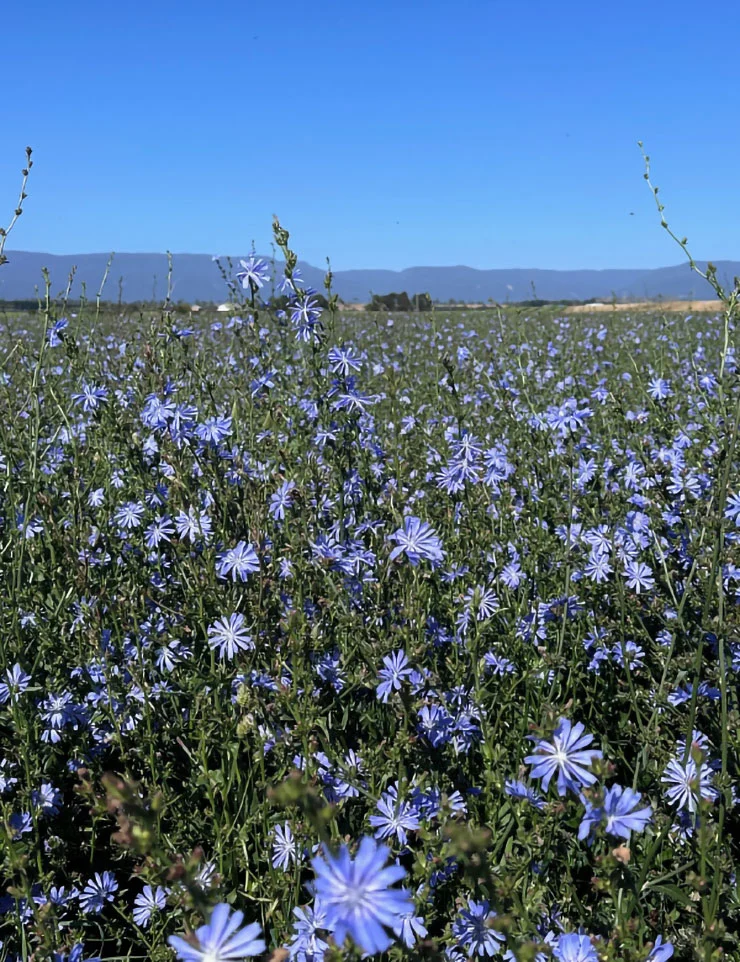
Field of Chicory in full flower
Sustainability at Woodbourn
With clover as the dominant legume in the grazing system, we have strengthened our soil carbon accumulation strategy. The well-managed pastures are now sequestering more carbon and increasing nutrient levels in the soil, crops, and meat.
All electricity used continues to be drawn from the Tasmanian grid, which is powered by nearly 90% hydroelectric and a growing proportion of wind energy. This means all key infrastructure, pumps and irrigators, operate on renewable energy.
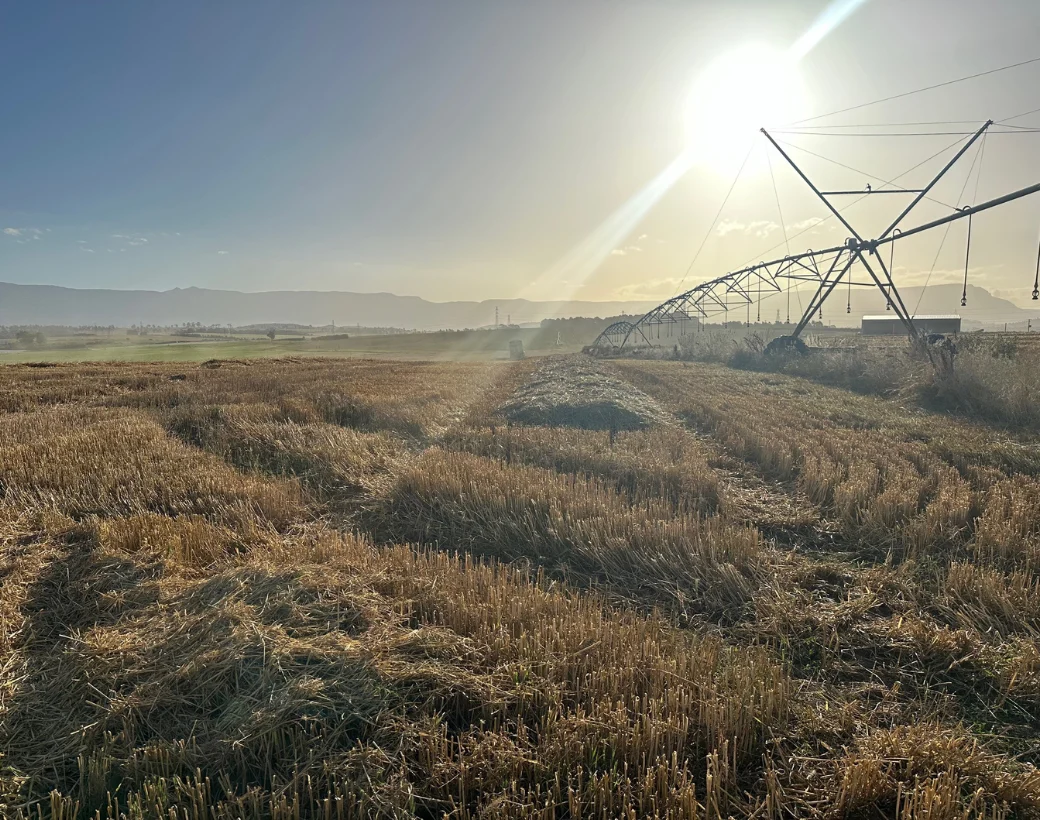
Our comprehensive soil testing and targeted phosphorus application regime ensures optimal production while protecting waterways from fertiliser runoff.
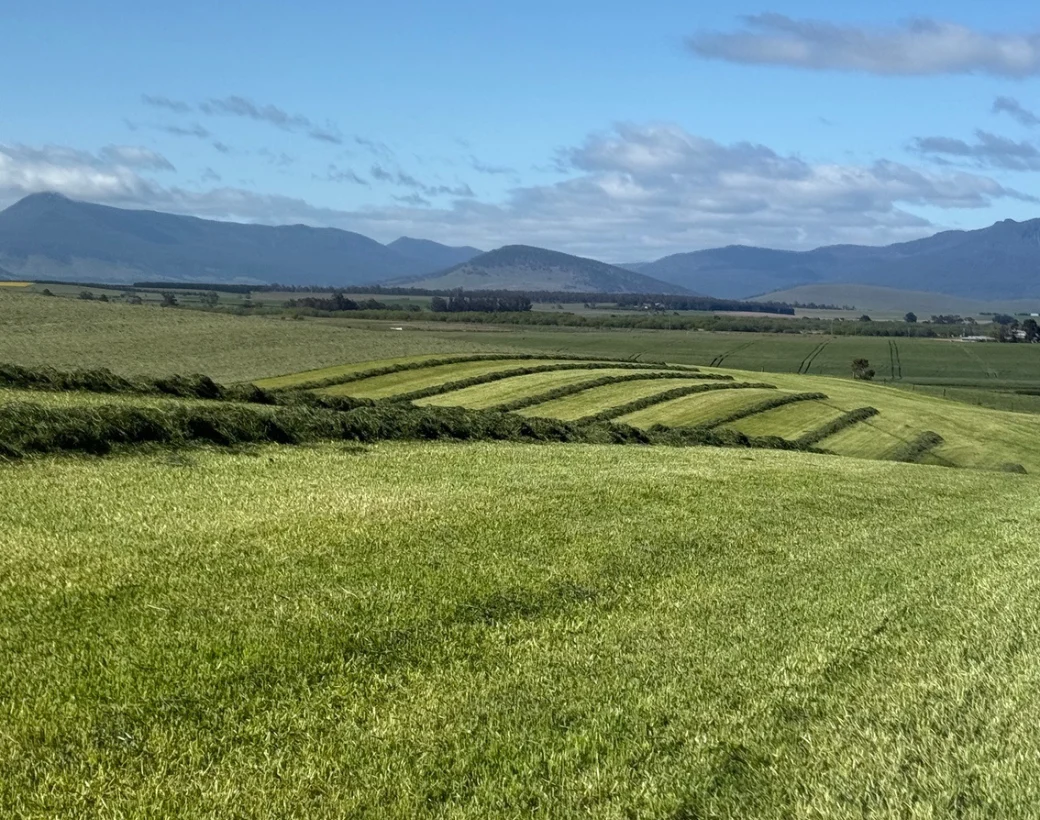
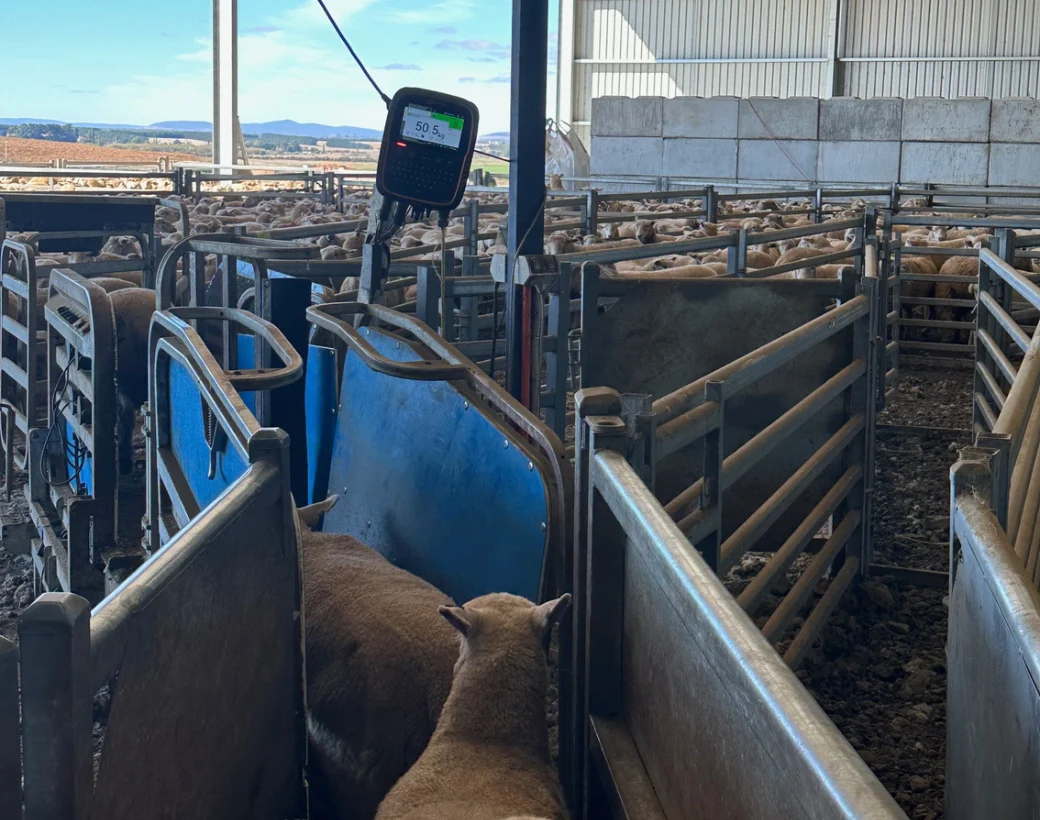
Our system now utilises the latest technologies such as Agriwebb for livestock data, Agworld for crop input tracking, and Trello for project management and quality control. Pivot telemetry ensures water is applied efficiently, minimising waste and environmental impact.
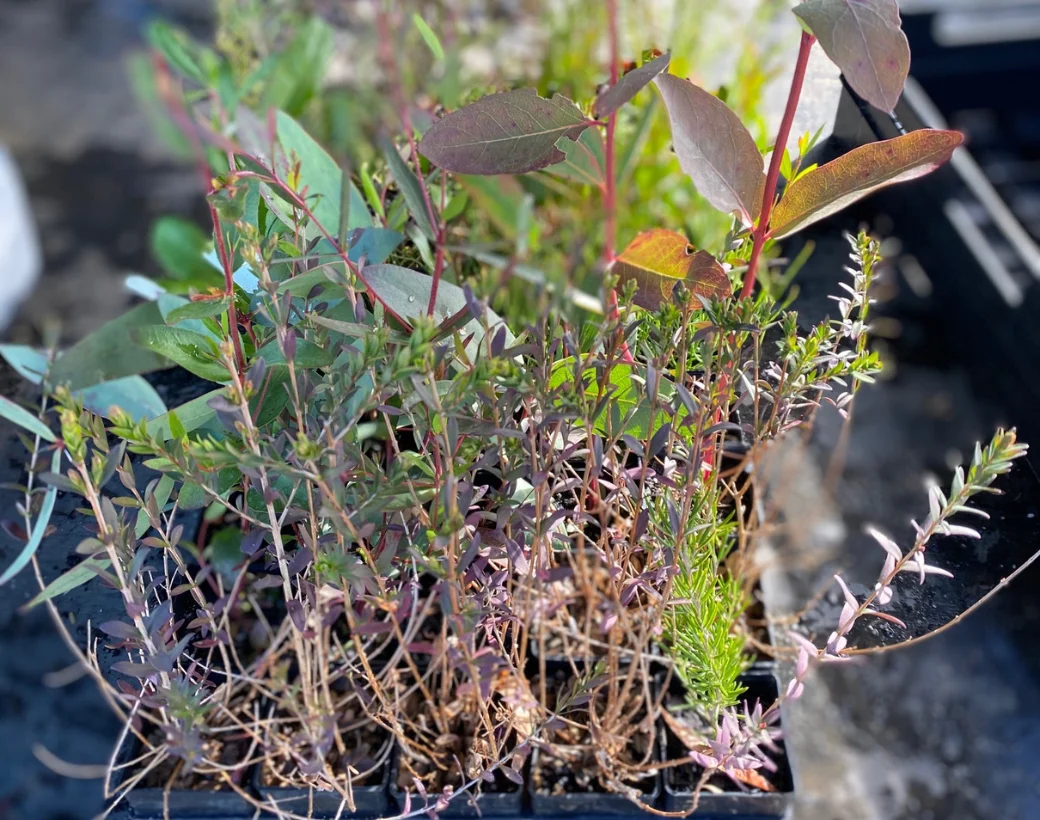
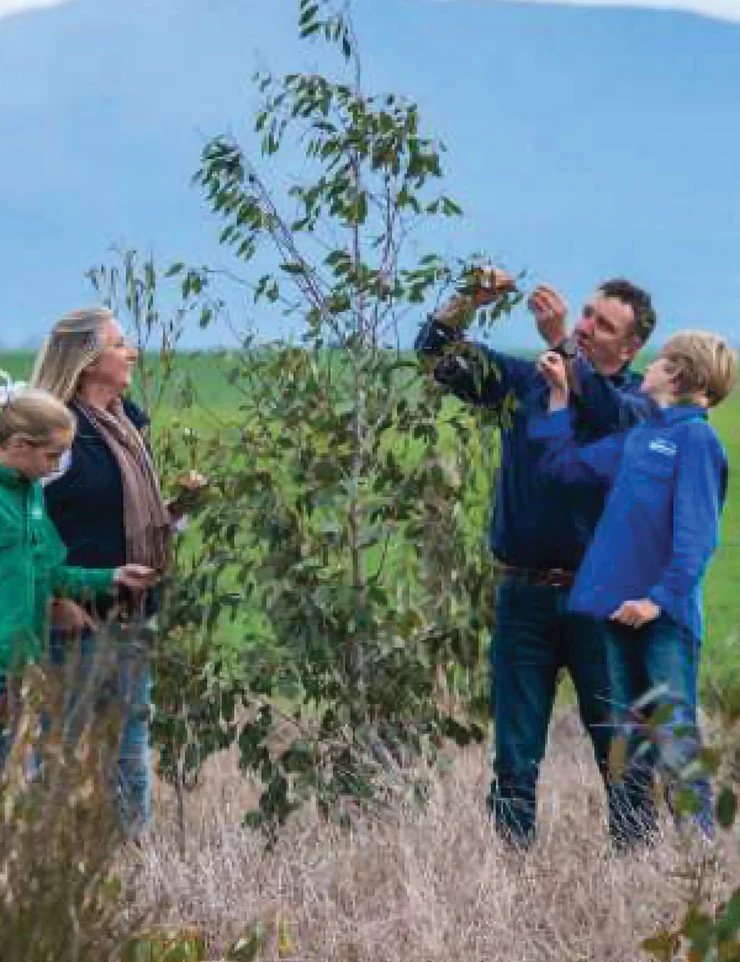
The re-introduction of native trees delivers improved protection for livestock and supports natural pest control. These plantings also stabilise soils and enhance carbon capture, with more than 15,000 trees planted in shelter belts on our farm and plans for many more!
Stock exclusion zones and improved effluent management practices have now been fully implemented as part of the Tamar Estuary River Health Action Plan – Catchment Works Programme. These measures have improved water quality by reducing pathogen concentrations in the Tamar River Estuary and aided the rehabilitation of riverside revegetation buffers.
This is our story
Management Background
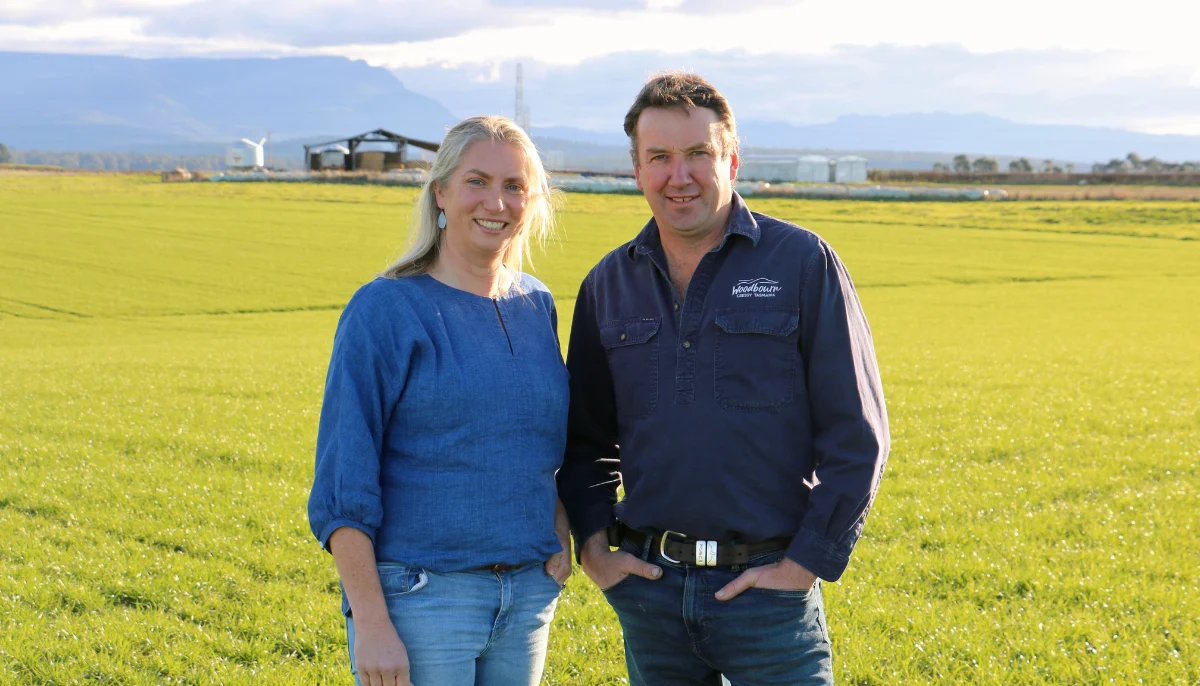
Lauchlan and Sarah have been farming on the current property for 12 years, and have an extensive background in farming, project management, marketing, financial management and rural leadership. Both come from farms, and the current property is third-generation.
Both Sarah and Lauchlan have completed studies at Marcus Oldham College in Victoria, graduating with a Diploma in Agribusiness and Advanced Diploma in Agricultural Management respectively.
Since commencing farming at Woodbourn:
- Implemented 380 megalitres of on-farm water storage
- Researched and implemented the unique clover-based pasture system for lamb production, which supports the current annual production of grass-fed lambs
- Installed 10 centre pivot irrigators to provide water assurance across seasons. This includes all the laneway and fencing design, water design and flow to assure correct pressure at the irrigators and then the irrigator implementation.
- Designed and built a state of the art seed drying floor to the sheep’s handling facility
Lauchlan’s prior roles include working in agri-talent management and recruitment nationally, and farm management roles both locally and interstate. Lauchlan is the Chair of the Cressy Longford Irrigation Scheme, was awarded runner-up in 2011-12 Cattle Council of Australia Rising Beef Industry Champions Initiative and a member of active production groups.
Sarah has held various positions in the National Australia Bank in Agribusiness as an Agribusiness Marketing Manager. She has held State Co-Ordinator roles for Southern Farming Systems and the Angus Society of Australia. She has held a directorship at Toosey Aged Care, Chair of the Red Meat Updates Steering Committee and a State Finalist in Agrifutures Rural Women Awards and recipient of the Tas Women in Agriculture Development Award 2019.
Education
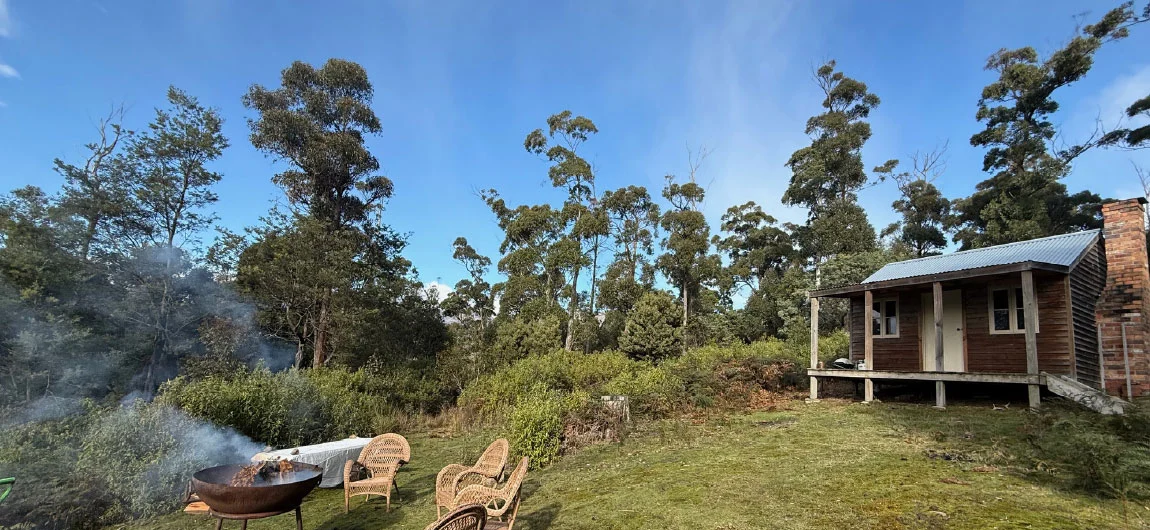
Lauchie and Sarah are passionate advocates of Ag and ‘open their doors’ to students and producer groups regularly. Their previous experience in both corporate Marketing and Agribusiness recruitment allowed them to bring skills and interest to their farming business but also showcase and tell their production story and passion for Agriculture. This has also further developed an interest in Agritourism. In 2023 the Cole’s purchased a 50ac conservation bush block at Blackwood Creek to further build on this.
Media Highlights
Irrigation and drainage investment help maximise HRZ yields Coles boosts range of Tassie grassfed lamb in time for Australia Day Tasmanian livestock have been bumped off pastures to harvest seed. Meet one of the finalists in the Agrifuture’s Rural Women’s Award 2019 Tasmanian Women in Agriculture Development Award winner.
https://redmeatupdates.com/vft/ (Host Sarah Cole, 2019 and 2023)